

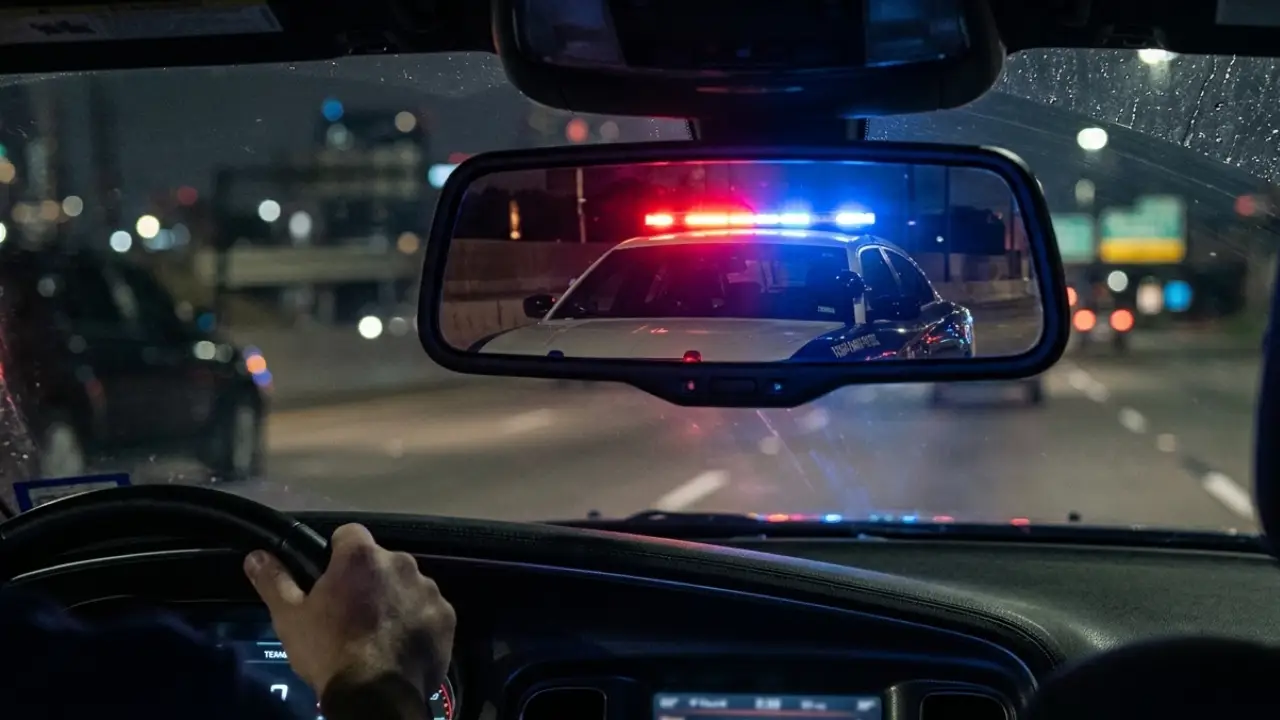
Seeing flashing red and blue lights in your rearview mirror is enough to make anyone’s heart race. A standard traffic stop can take a stressful turn if an officer asks to look inside your vehicle. If you find yourself in this situation, you are likely wondering about your constitutional rights. Can law enforcement officers legally look through your vehicle without your permission?
The Fourth Amendment protects individuals from unreasonable searches and seizures, but Texas law outlines specific exceptions where a vehicle search is permitted. Knowing what constitutes an illegal vehicle search can mean the difference between a dismissed case and facing serious charges. If your vehicle was searched and items were seized, contacting a skilled Drug Possession Lawyer should be your immediate priority.
When Can Police Search Your Car for Drugs in Texas?
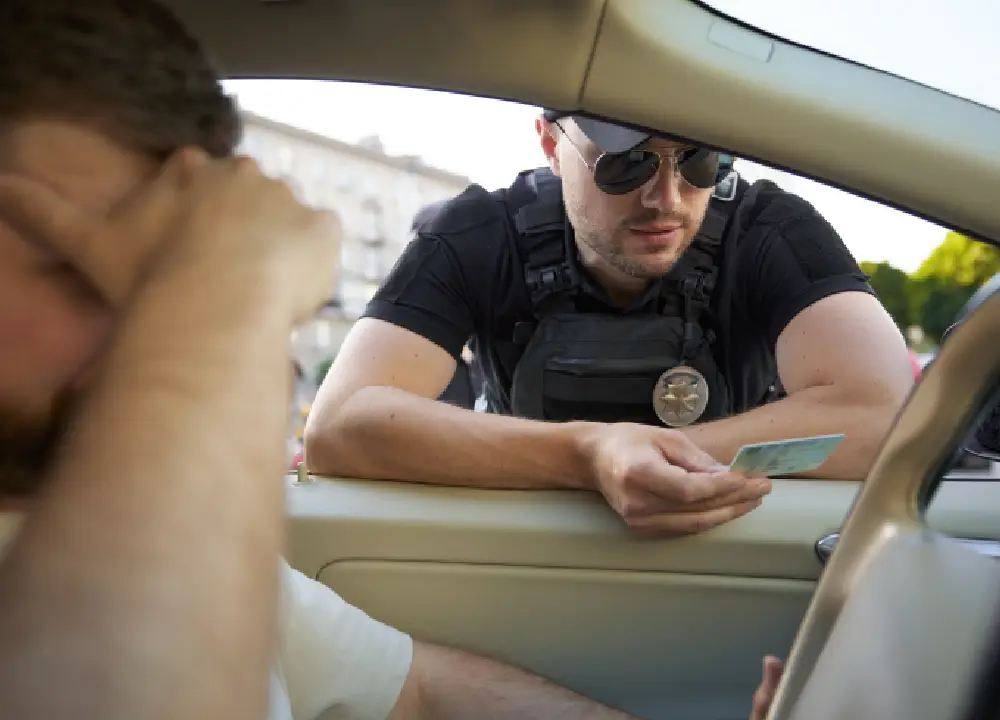
In general, law enforcement needs a warrant to search your private property. However, due to the mobile nature of automobiles, the law treats vehicles differently from houses or businesses. Courts have established that drivers have a lower expectation of privacy when operating a vehicle on public roadways.
There are four primary legal scenarios where an officer can look inside your vehicle without violating your constitutional rights. Understanding these rules can help you identify if you were subjected to an unconstitutional or illegal vehicle search Texas law.
1. You Give Express Consent
The easiest way for an officer to look through your vehicle is if you give them permission. Law enforcement officers are trained to ask questions like, “You don’t mind if I take a quick look inside, do you?” Many drivers agree because they feel pressured or believe cooperating will make the officer let them go. If you give consent, you waive your Fourth Amendment protections, and any evidence uncovered can be used against you in court.
2. The Plain View Doctrine
If an officer stops you for a broken taillight and notices contraband sitting directly on your passenger seat or in an open console, they do not need a warrant or your consent to seize it. Under the plain view doctrine, if incriminating evidence is visible from a lawful vantage point outside the vehicle, the officer has immediate legal authority to seize the item and conduct a more thorough sweep of the car.
3. Search Incident to Arrest
If you are placed under arrest for a traffic violation or an outstanding warrant, officers can sometimes look through the passenger compartment of your vehicle. This exception is legally limited to areas within your immediate reach to protect officer safety or prevent the destruction of evidence. It does not automatically grant free rein to dismantle your trunk unless further legal justifications exist.
4. The Automobile Exception and Probable Cause
If an officer does not have a warrant, your consent, or visible evidence in plain view, they must establish probable cause before executing a sweep of your car. This is where many legal battles begin, making it essential to consult a knowledgeable drug possession defense attorney who can scrutinize the state’s narrative.
The Legal Threshold: Probable Cause Search Texas Vehicle Standards
To justify a search under the automobile exception, an officer must possess objective, concrete facts that would lead a reasonable person to believe that contraband or evidence of a crime is currently inside the vehicle. Hunches, vague suspicions, or a driver appearing nervous are not legally sufficient to establish probable cause.
So, what actually gives an officer the right to proceed with a probable cause search Texas troopers can justify in a police report? Common factors include:
- The distinct odor of burnt or raw marijuana emitting from the interior.
- Open containers of alcoholic beverages or visible drug paraphernalia inside the cabin.
- Statements made by the driver or passengers admitting to possessing illegal items.
- A positive alert from a properly trained and certified K-9 drug detection dog.
As the courts held in Texas v. Brown, probable cause is a flexible, common-sense standard, but it strictly requires that the facts available to the officer at that moment would warrant a person of reasonable caution to believe contraband is inside.” – Justia Supreme Court
What To Do If Law Enforcement Wants to Look Inside Your Vehicle
Knowing how to conduct yourself during a traffic stop can significantly impact the outcome of a future legal case. If an officer asks to search your vehicle, follow these foundational steps to preserve your legal rights:
Remain Calm and Stay Polite
Do not be argumentative, hostile, or physically resistant. Comply with basic lawful commands, such as providing your driver’s license, proof of insurance, and stepping out of the vehicle if instructed to do so. Aggressive behavior can be used against you later or escalated into separate charges like resisting arrest.
Clearly State Your Lack of Consent
You have the legal right to deny a request to search your vehicle. You can politely but firmly say, “Officer, I do not consent to any searches.” Say this clearly so that passengers or body cameras can record your refusal. If the officer proceeds anyway, do not physically stop them. Your attorney will address the unlawful conduct later in a courtroom setting.
Exercise Your Right to Remain Silent
You are not required to answer probing questions about where you are traveling from, where you are going, or whether you have anything illegal in the car. Calmly state that you are invoking your right to remain silent and want to speak with a legal professional before answering questions.
How a Drug Possession Defense Attorney Fights an Illegal Search

If you were arrested after a vehicle search, the prosecution’s case relies entirely on the evidence found during that traffic stop. An experienced drug possession defense attorney will carefully evaluate every detail of the police interaction to determine if your constitutional protections were breached.
Filing a Motion to Suppress Evidence
If your legal counsel discovers that the police lacked a valid reason to stop your car, or lacked true probable cause to search it, they can file a Motion to Suppress evidence. This formal legal request asks the judge to throw out any evidence obtained during the illegal search.
If the judge grants the motion, the prosecution loses its primary evidence, such as the seized substances or paraphernalia. Without that evidence, the state’s case typically falls apart, frequently resulting in a full dismissal of all charges.
Scrutinizing K-9 Dog Alerts
Drug dog alerts are frequently used by law enforcement to bypass a driver’s refusal of consent. However, these alerts are not infallible. A diligent lawyer will check the training logs, certification records, and field accuracy history of the K-9 unit. If the dog was poorly trained, uncertified, or guided by a handler’s leading cues, the search can be declared unconstitutional.
Frequently Asked Questions About Vehicle Searches in Texas
Can police search my car if I smell like marijuana?
Yes. While laws regarding hemp and cannabis have become more complex, Texas courts consistently rule that the distinct odor of marijuana provides officers with sufficient probable cause to look inside a vehicle without a warrant.
Can an officer open locked glove compartments or trunks?
If officers establish lawful probable cause under the automobile exception, they are legally permitted to look inside any container, compartment, or trunk within the vehicle that could reasonably conceal the object of their search.
Does a passenger’s criminal record give police the right to search my car?
No. A passenger’s past record or current nervous demeanor is not enough on its own to build legal probable cause. The officer must have specific facts linking illegal activity to the vehicle itself at that exact time.
Protect Your Rights with a Fort Bend County Criminal Defense Lawyer
A drug arrest can disrupt your life, jeopardizing your freedom, driving privileges, and long-term employment prospects. Do not try to navigate the complexities of the Texas judicial system without professional guidance. If you believe your car was subjected to an unlawful search, you need immediate representation from a firm dedicated to protecting your constitutional rights.
Schedule a detailed consultation with a dedicated drug possession lawyer Fort Bend County residents trust to mount an aggressive defense strategy. Contact the David Hunter Law firm today to learn how we can challenge the state’s evidence and protect your future.
Legal Disclaimer
The information provided is for educational and informational purposes only. The information on this website is not intended as legal advice and should not be used as a substitute for consulting a licensed attorney. Legal outcomes and laws can vary by jurisdiction, and only a qualified lawyer can provide guidance tailored to your situation.